What You Area Looking For?
Projects
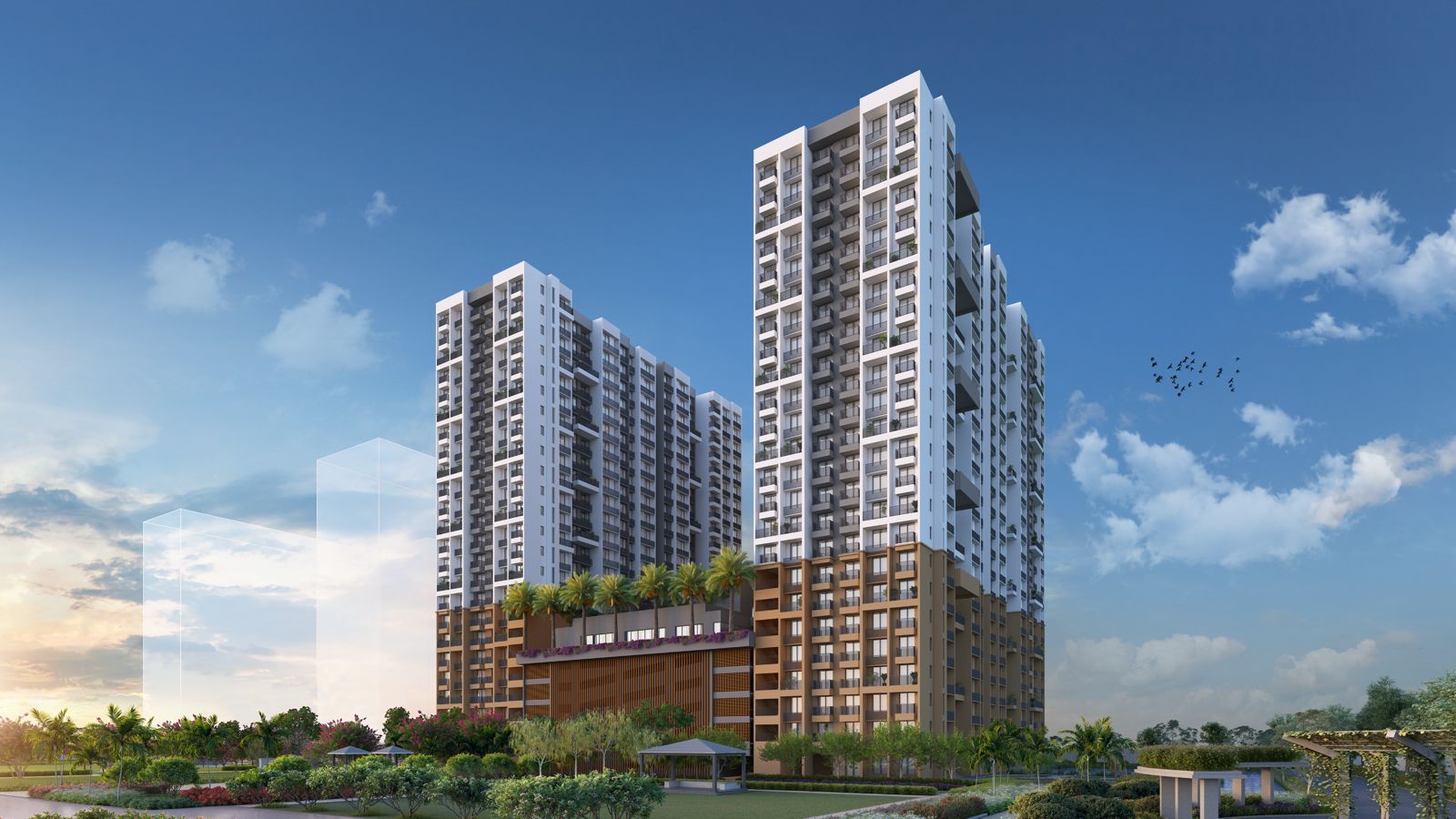
Residential
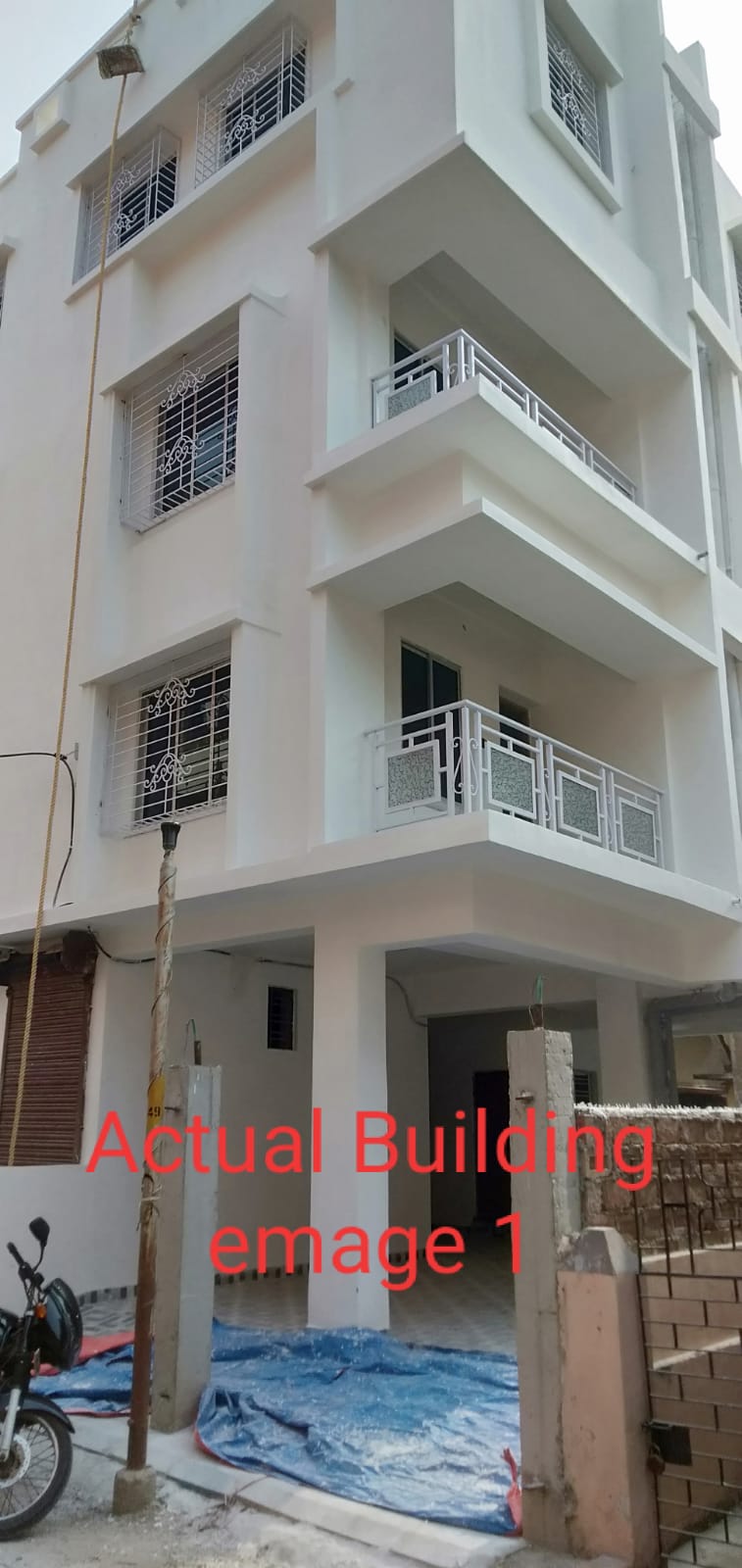
Apartment
₹80 lacs ( 3 BHK )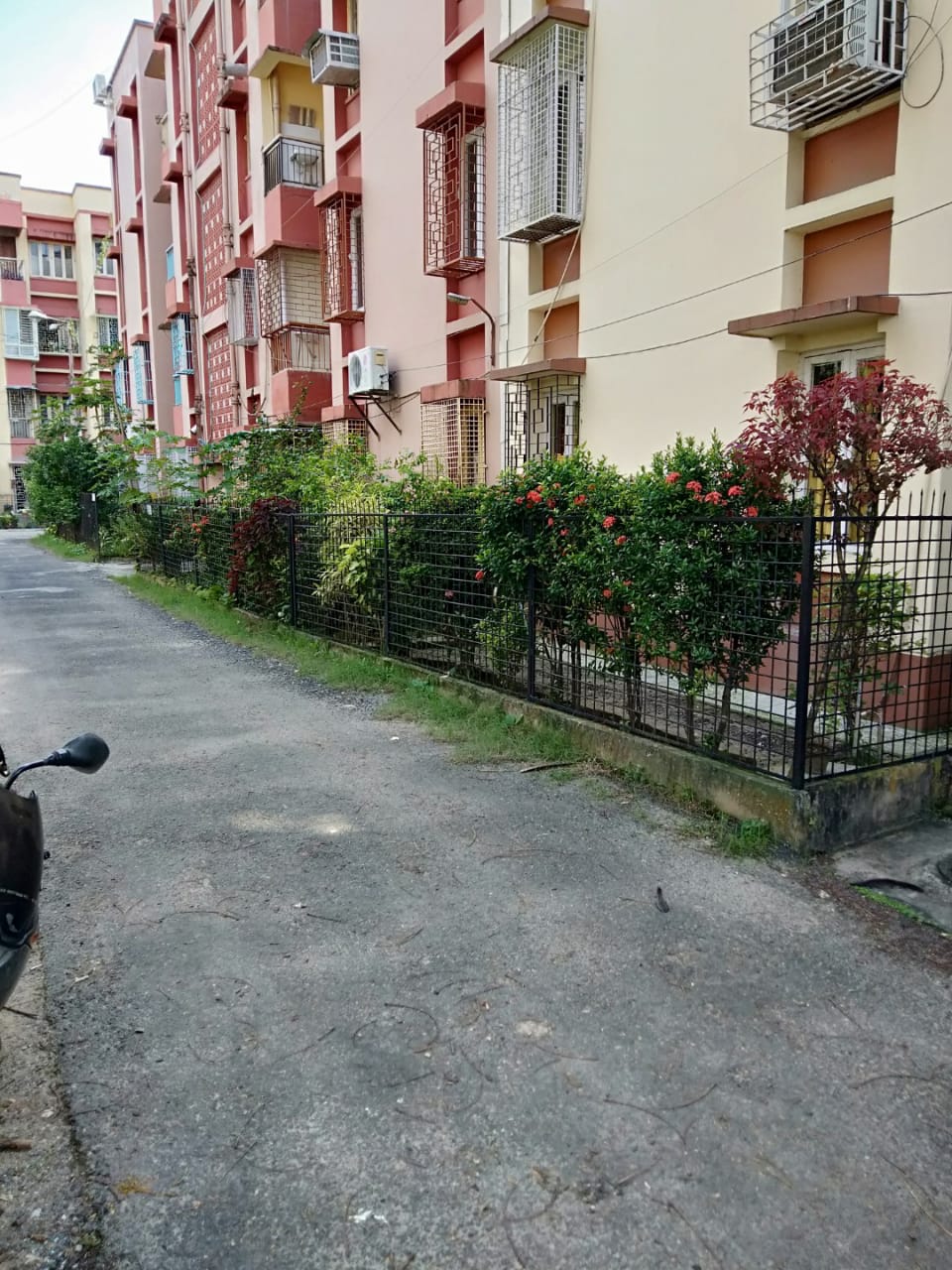
golf greenAbasan apartment
₹15k ( 2 BHK )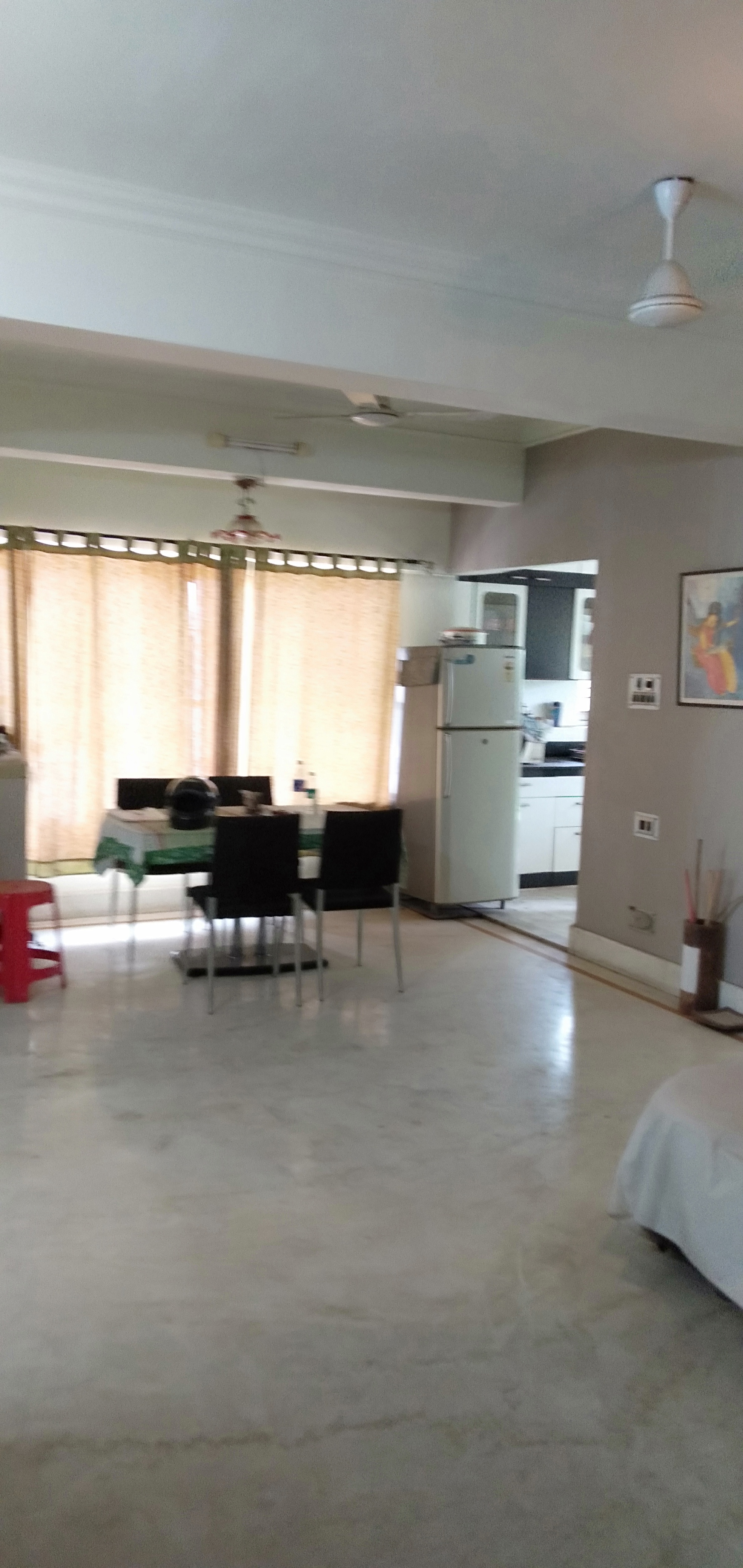
3 BHK flat for sale
₹110000000 ( 3 BHK )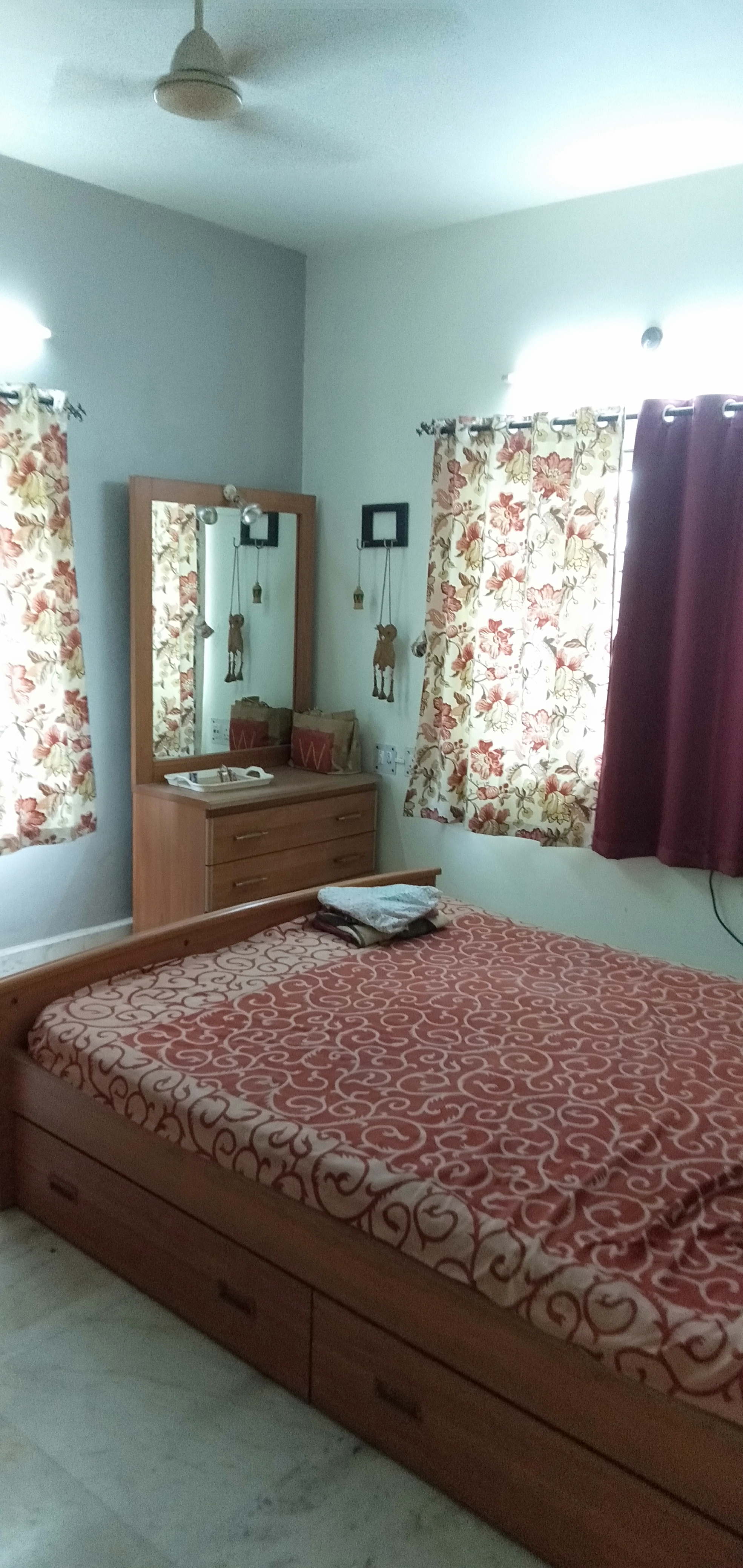
Commercial


Villas House
Testimonial
What Client Says About Us
“ I would highly recommend Indus Properties Solution to anyone looking to buy or sell a home. He is an absolute pleasure to work with, and his expertise and professionalism are truly second to none.”
Suman Das
DIrector, Jalaz Technologies“ Once I found the perfect home, Indus Properties Solution was instrumental in guiding me through the negotiation and closing process. He was always available to communicate with the seller's agent and kept me updated on every step of the process. Thanks to his hard work and dedication, we were able to close on the property quickly and smoothly.”
Rimi Chowdhury
“ From the moment I first contacted Indus Properties Solution, he was incredibly responsive and attentive to my needs. He took the time to understand what I was looking for in a home and worked tirelessly to find properties that met my criteria. Throughout the search process, he was always available to answer my questions and provide valuable insights that helped me make informed decisions.”
Sanjoy Kumar
Faq
Frequently Asked Questions
How long does it take to buy or sell a home?
The timeline for buying or selling a home can vary depending on a number of factors, including the local market, the property itself, and the financing involved. In general, it can take anywhere from a few weeks to several months to complete a real estate transaction.
What is a home inspection?
A home inspection is an examination of a property's condition by a licensed inspector. The inspector will look for any issues or defects that could affect the value or safety of the property, such as structural problems, water damage, or electrical issues. The results of the inspection can help buyers make informed decisions about whether to proceed with a purchase.
What is a title search?
A title search is an examination of the public records to verify a property's ownership and ensure there are no outstanding liens or claims against the property. It is typically conducted by a title company or attorney and is a crucial step in the home buying process.
How do I start the process of buying a property?
The first step in buying a property is to determine your budget and get pre-approved for a mortgage, if necessary. You should also work with a real estate agent to help you find properties that meet your needs and budget.
How much money do I need for a down payment?
The amount of money you need for a down payment will depend on the price of the property and the type of loan you are using. In general, most lenders require a down payment of at least 3% to 20% of the purchase price.
What is a home inspection and do I need one?
A home inspection is an examination of a property's condition by a licensed inspector. It is recommended that buyers have a home inspection done before purchasing a property, as it can identify any issues or defects that could affect the value or safety of the property.
How much should I offer for a property?
The amount you should offer for a property will depend on a number of factors, including the local market, the property's condition, and your budget. Your real estate agent can help you determine a fair offer price based on comparable properties in the area.
What is a closing cost?
Closing costs are fees associated with the purchase of a property that are paid at the closing. They typically include things like title insurance, appraisal fees, and attorney fees, and can range from 2% to 5% of the purchase price.
How long does it take to close on a property?
The timeline for closing on a property can vary depending on a number of factors, including the type of financing you are using, the local market, and the complexity of the transaction. In general, it can take anywhere from 30 to 60 days to complete a real estate transaction.
How do I find a flat to rent?
There are several ways to find a flat to rent, including working with a real estate agent, searching online listings, or checking local newspapers and classified ads. You can also ask friends and family for recommendations or drive around the area you want to live in to look for "For Rent" signs.
How much does it cost to rent a flat?
The cost of renting a flat can vary depending on a number of factors, including the location, size, and condition of the property. In addition to monthly rent, you may also be required to pay a security deposit and other fees such as utilities, maintenance, or parking.
What is a security deposit and how much is it?
A security deposit is a sum of money paid by the tenant to the landlord to cover any damages or unpaid rent at the end of the lease term. The amount of the security deposit can vary depending on the landlord, but it is typically equal to one or two months' rent.
What is a lease agreement?
A lease agreement is a legally binding contract between a landlord and a tenant that outlines the terms and conditions of the rental agreement. It typically includes details such as the monthly rent, the lease term, and the rights and responsibilities of both the landlord and the tenant.
What is renters insurance and do I need it?
Renters insurance is a type of insurance that provides coverage for your personal belongings and liability in the event of theft, damage, or other covered events. While it is not required by law, many landlords require tenants to have renters insurance as part of their lease agreement.
What happens if I need repairs in my rented flat?
If you need repairs in your rented flat, you should notify your landlord or property manager as soon as possible. Depending on the severity of the issue, the landlord may be required to make the repairs within a certain timeframe. In some cases, you may be entitled to a rent reduction or other compensation if the repairs are not made in a timely manner.
How much does it cost to purchase a commercial flat?
The cost of purchasing a commercial flat can vary depending on a number of factors, including the location, size, and condition of the property. In addition to the purchase price, you may also be required to pay closing costs, property taxes, and other fees.
How do I finance the purchase of a commercial flat?
Financing options for purchasing a commercial flat include traditional commercial mortgages, Small Business Administration (SBA) loans, and private financing.
What should I consider when purchasing a commercial flat?
When purchasing a commercial flat, you should consider factors such as the location, zoning regulations, market demand, and potential for growth and profitability.
Do I need to hire an attorney for the purchase of a commercial flat?
It is recommended that you hire an attorney to help you navigate the legal aspects of purchasing a commercial flat, including reviewing the purchase agreement and conducting due diligence on the property.
What is due diligence and why is it important?
Due diligence is the process of investigating a property to ensure that there are no hidden issues or risks. It is important to conduct due diligence when purchasing a commercial flat to avoid potential legal or financial issues down the line.
Go Top